


When we talk about winemaking, we inevitably think of fermentation tanks. These tanks are used not only for fermentation but also for wine aging or even simple storage. Over time, wine containers have evolved significantly, especially in terms of the materials used. In the past, tanks were made from clay, ceramic, or bricks. Nowadays, they are made from concrete, wood, stainless steel, or even polyester. Each of these containers has different properties and qualities.
Tanks protect the wine from oxidation, especially for winemakers who focus on extracting fruity aromas (primary aromas).
We refer to anaerobic fermentation when the winemaker fills the tank with carbon dioxide, making it completely airtight.
Other winemakers may prefer some degree of oxidation during winemaking, depending on the style of wine they are aiming for. The materials used for the tanks and their various shapes are important parameters for producing different types of wine.
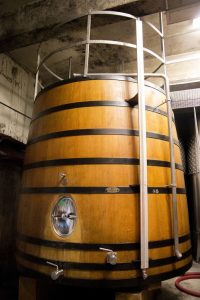
They allow for micro-oxidation, meaning a slight exchange between air and wine. These tanks, ranging from 25hl to 200hl for large vats, ensure high thermal inertia. However, wooden tanks are challenging to maintain over time, especially due to their conical shapes. Descaling and disinfecting the tanks are essential to prevent bacterial growth that could later spoil the fermenting wine. It’s also worth noting that wooden tanks come with a high purchase cost.
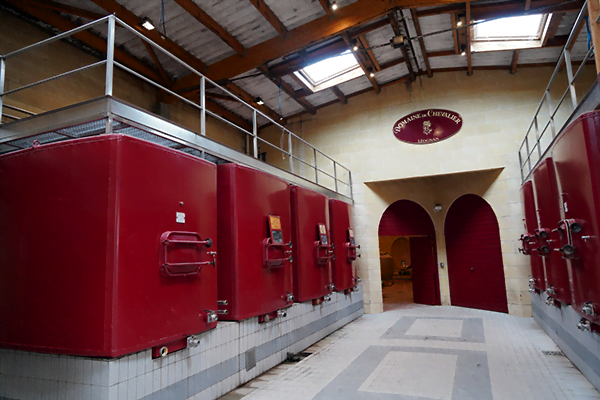
Their main advantage is thermal inertia, especially in warm regions or poorly insulated cellars. Concrete tanks can maintain a constant temperature regardless of external temperature or humidity fluctuations. The level of humidity inside the cellar is a critical factor when constructing concrete tanks. Properly maintained concrete tanks have a long lifespan, up to 100 years. The main challenge with concrete tanks is cleaning them, and they are immobile. Concrete, being made from a slightly porous material (though not entirely inert), limits wine micro-oxygenation, thus better preserving the fruit.
There are two types of concrete tanks: raw concrete tanks and coated concrete tanks with an epoxy resin.
Raw concrete promotes micro-oxygenation and reduces the risk of reduction. However, tartar adheres more easily and needs to be cleaned thoroughly each year. Coated concrete, with its smooth surface, poses fewer cleaning issues. You can also find concrete tanks lined inside with glass tiles, particularly in the Nantes region.
Since the 1980s, Wineries Have Equipped Themselves with Stainless Steel Tanks
These “stainless steel” tanks are easy to clean and transport, whether for fermentation or storage. They are, of course, neutral in terms of the material’s impact on the wine. Stainless steel containers are also equipped with temperature control mechanisms, allowing for the regulation of juice or wine temperature. This involves an external double wall or internal coils circulating hot or cold liquid. Temperature control is important since stainless steel tanks have less thermal inertia than concrete ones, but the system is quite costly.
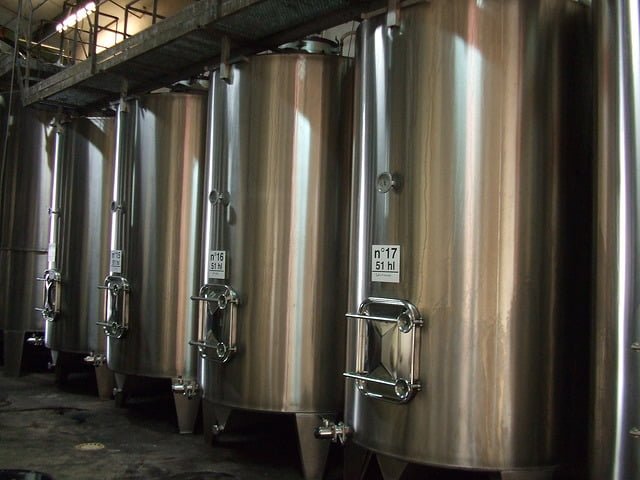
These stainless steel tanks are also favored in some properties for their “chic” and modern design. Fiberglass tanks are also available, which are affordable but offer relatively low thermal inertia. The storage location of the tank is critical.
“What’s Up with the Shape of Your Tank?”
Conical, inverted conical, cylindrical, or even egg-shaped, a wide variety of tank shapes can be observed when walking through cellars.
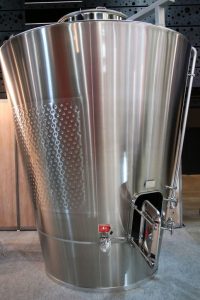
Stainless steel tanks are generally cylindrical, but they can also be conical or inverted conical. A conical tank allows for a larger contact surface between the wine and the pomace in the tank, leading to greater extraction during red wine fermentation. Conversely, the inverted conical tank offers less contact between the pomace and the juice. Both models also make tank cleaning easier.
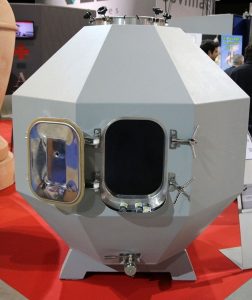
There are more discreet variations in these shapes, such as the cubic conical tank with a pyramid shape, the diamond-shaped tank, or the egg-shaped tank, which is attracting more and more winemakers.
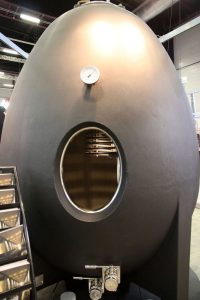
This egg-shaped tank is of particular interest for wine aging. Its egg-like form, with no corners, promotes the natural suspension of the lees due to the vortex movements it creates. Stirring (batonnage) is not necessary, according to the manufacturers of these tanks. However, some winemakers have suggested that stirring may sometimes be necessary, depending on the style of wine being produced.
Some studies indicate that using egg-shaped tanks can result in greater body and aromatic intensity. Further research is awaited on this subject, which is of interest to the entire industry.